Magnesium is one of the most important minerals in the human body, yet it's estimated that many adults don't get enough of it through their daily diet. This essential nutrient plays a role in hundreds of biochemical reactions that support everything from muscle function and nerve signaling to heart health, sleep quality, and energy production.
Among the many forms of magnesium available, magnesium glycinate has become a popular choice because of its high absorption rate and gentle effect on the digestive system. Whether you're looking to support better sleep, ease occasional muscle discomfort, or promote overall wellness, magnesium glycinate may be an excellent addition to your healthcare routine.
At Tailored Wellness NP, wellness is built around personalized care. Nutritional support, lifestyle recommendations, and appropriate supplementation can all play important roles in helping patients achieve their health goals.
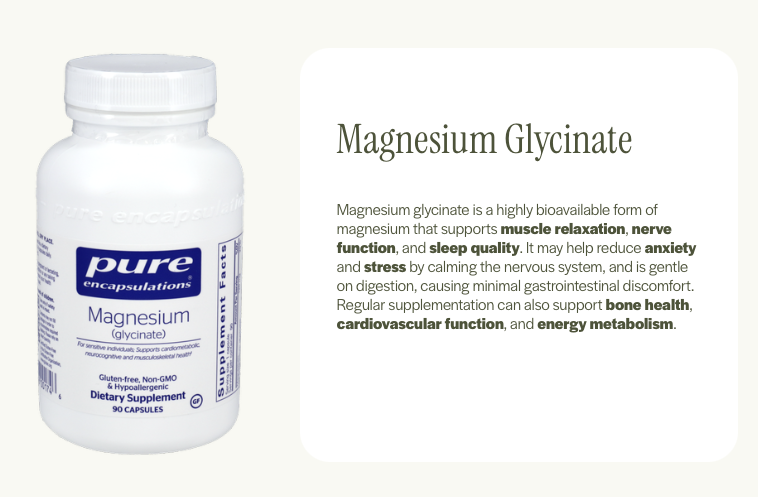
Discover the benefits of magnesium glycinate, including support for sleep, muscle function, stress management, heart health, and overall wellness. Learn why this highly absorbable form of magnesium is a popular choice.
What Is Magnesium Glycinate?
Magnesium glycinate is a combination of elemental magnesium and the amino acid glycine.
This form is known as a chelated magnesium, meaning the magnesium is bound to glycine to improve absorption and reduce the likelihood of digestive side effects that are sometimes associated with other magnesium supplements.
Because of its excellent bioavailability, magnesium glycinate is commonly recommended for individuals who need magnesium supplementation but want a form that is generally well tolerated.
Why Is Magnesium Important?
Magnesium participates in more than 300 enzymatic reactions throughout the body.
It helps regulate many essential functions, including:
Muscle contraction and relaxation
Nerve communication
Heart rhythm
Blood pressure regulation
Bone health
Energy production
Blood sugar metabolism
Protein synthesis
Sleep regulation
Without adequate magnesium, many body systems cannot function at their best.
Signs You May Not Be Getting Enough Magnesium
Magnesium deficiency isn't always obvious.
Some people experience subtle symptoms that gradually develop over time.
Possible signs include:
Muscle cramps
Muscle twitching
Fatigue
Difficulty sleeping
Headaches
Increased stress
Low energy
Irritability
Difficulty relaxing
These symptoms can have many possible causes, which is why it's important to speak with your healthcare provider before beginning any supplement regimen.
Benefits of Magnesium Glycinate
1. Supports Better Sleep
One of the most common reasons people choose magnesium glycinate is its potential to support healthy sleep.
Magnesium helps regulate several neurotransmitters involved in relaxation and healthy sleep cycles.
The glycine component may also promote feelings of calmness before bedtime.
While magnesium is not a sleep medication, maintaining healthy magnesium levels may support restful sleep as part of a healthy lifestyle.
2. Promotes Relaxation and Stress Management
Modern life places significant demands on both the body and mind.
Magnesium plays an important role in nervous system function and helps regulate the body's stress response.
Some individuals find that maintaining healthy magnesium levels supports:
Relaxation
Emotional well-being
Calmness
Overall stress management
Healthy sleep, regular exercise, balanced nutrition, and stress reduction techniques should always remain part of a comprehensive wellness plan.
3. Supports Muscle Function
Magnesium helps muscles contract and relax properly.
For physically active individuals, maintaining healthy magnesium levels may support:
Normal muscle function
Exercise recovery
Reduced occasional muscle cramping
Overall physical performance
Athletes and individuals who exercise regularly often pay close attention to their magnesium intake because of its role in muscle physiology.
4. Supports Heart Health
The heart is a muscle that depends on proper electrolyte balance.
Magnesium contributes to:
Normal heart rhythm
Healthy muscle contraction
Cardiovascular function
Blood pressure regulation
Maintaining healthy magnesium levels is one component of overall heart health alongside exercise, nutrition, and regular medical care.
5. Supports Healthy Bones
Many people associate bone health with calcium alone.
However, magnesium also plays an important role in maintaining healthy bones.
Magnesium helps support:
Bone mineralization
Calcium metabolism
Vitamin D activation
Strong bones require a combination of nutrients working together.
6. Helps Support Energy Production
Every cell in your body requires magnesium to produce energy.
It participates in the production of ATP, the body's primary energy source.
Without adequate magnesium, normal cellular energy production becomes less efficient.
Supporting healthy magnesium levels may contribute to overall energy metabolism.
7. Supports Healthy Blood Sugar Metabolism
Magnesium plays a role in insulin function and glucose metabolism.
Research continues to examine the relationship between magnesium intake and metabolic health.
While magnesium is not a treatment for diabetes, maintaining adequate levels is considered an important part of overall wellness.
8. Gentle on the Digestive System
Some magnesium supplements, such as magnesium citrate, are commonly used because they have a laxative effect.
Magnesium glycinate is different.
Because it is highly absorbable, it is generally less likely to cause digestive discomfort or loose stools, making it an excellent option for many individuals seeking daily magnesium supplementation.
Food Sources of Magnesium
Although supplements can be helpful for some people, obtaining nutrients through food remains the ideal goal whenever possible.
Magnesium-rich foods include:
Spinach
Swiss chard
Pumpkin seeds
Almonds
Cashews
Black beans
Avocados
Brown rice
Whole grains
Dark chocolate
Edamame
A balanced diet provides numerous vitamins and minerals that work together to support overall health.
Is Magnesium Glycinate Right for You?
Not everyone requires magnesium supplementation.
Your healthcare provider can help determine whether supplementation may be appropriate based on:
Medical history
Current medications
Symptoms
Diet
Overall health goals
Because magnesium can interact with certain medications—including some antibiotics, osteoporosis medications, and thyroid medications—it's important to discuss supplements with your provider before starting them.
Individuals with kidney disease should only use magnesium supplements under medical supervision.
Frequently Asked Questions
What is magnesium glycinate?
Magnesium glycinate is a highly absorbable form of magnesium that is bound to the amino acid glycine. It is commonly chosen because it is gentle on the stomach and well absorbed.
What is magnesium glycinate used for?
Many people take magnesium glycinate to support healthy sleep, muscle function, stress management, heart health, and overall wellness.
Is magnesium glycinate better than other forms of magnesium?
Different forms of magnesium serve different purposes. Magnesium glycinate is often preferred for its excellent absorption and lower likelihood of causing digestive upset.
Can magnesium glycinate help with sleep?
Maintaining healthy magnesium levels may support normal sleep patterns and relaxation. Individual results vary, and magnesium should not replace treatment for diagnosed sleep disorders.
Can I take magnesium every day?
Many adults take magnesium daily, but the appropriate dosage depends on individual health needs. Always follow your healthcare provider's recommendations.
Are there any side effects?
Magnesium glycinate is generally well tolerated. However, taking excessive amounts of any magnesium supplement may cause digestive symptoms or other side effects.
Can magnesium interact with medications?
Yes. Magnesium supplements may interact with certain medications. Speak with your healthcare provider before starting supplementation if you take prescription medications.
Should I get magnesium from food or supplements?
A balanced diet should always be the first choice. Supplements may be beneficial when dietary intake is insufficient or when recommended by your healthcare provider.
Supporting Your Wellness Through Better Nutrition
Optimal health is built on a strong foundation of healthy nutrition, regular physical activity, quality sleep, stress management, and personalized medical care. Magnesium glycinate can be a valuable supplement for many individuals looking to support overall wellness, but it's most effective when combined with healthy lifestyle habits.
At Tailored Wellness NP, personalized wellness means looking beyond symptoms to understand the complete picture of your health. Whether you're interested in improving sleep, supporting energy levels, optimizing nutrition, or creating a comprehensive wellness plan, working with a knowledgeable healthcare provider can help you make informed decisions about supplements and lifestyle strategies that fit your individual needs.
